
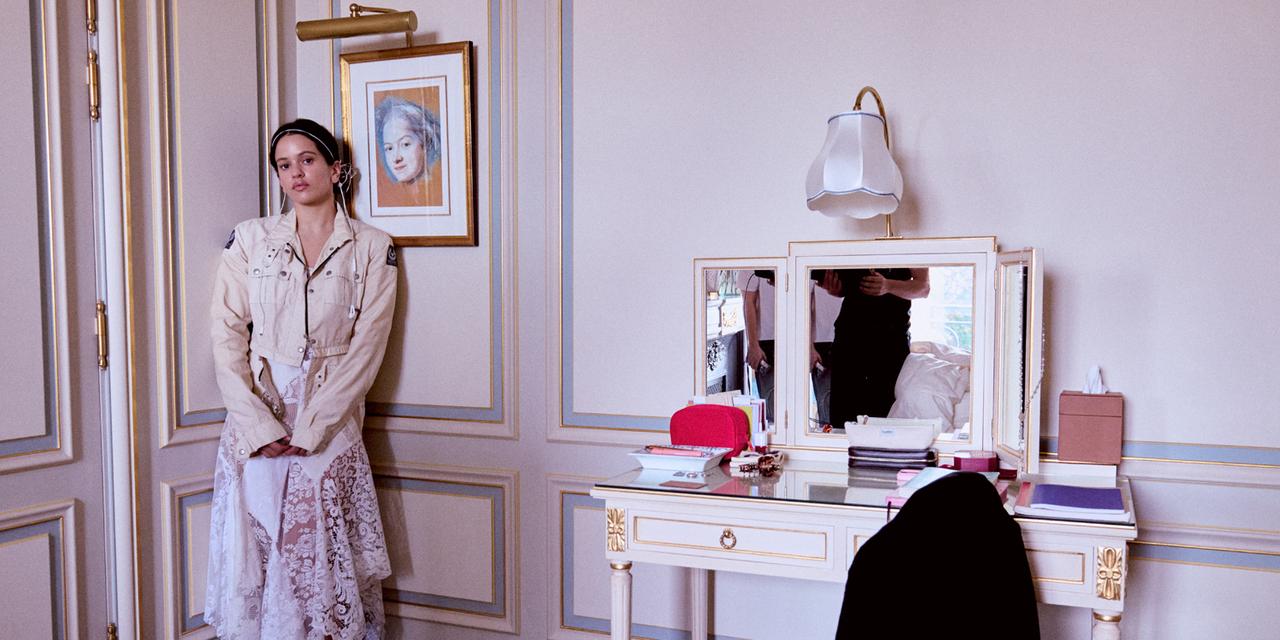
Three years out of the spotlight seem to have only fueled Rosalía's creative fire. The 33-year-old Spanish songstress has made a magnificent return with her latest album, 'Lux,' a spiritual tour de force comprising 18 tracks sung in 13 different languages. This new release celebrates divine figures and saintly icons, all while showcasing her experimental edge and perceptive lyrical content.
A buzz of anticipation filled the air on the night of October 20th in Madrid as a white car elegantly glided through the streets. Behind the wheel, with a halo painted in her hair and a rosary swinging from the rearview mirror, sat Rosalía herself. As she waved to admiring fans, a ground swell of excitement emerged, drawing a nightly crowd eager for her to acknowledge them.
Her destination was Madrid’s bustling Callao Square, a central hub where she made her way briskly to a local hotel, her elegant white dress trailing behind her. Fans clamored to catch a glimpse or snap a photo, while a live TikTok broadcast captured the moments, followed by a flood of enthusiastic comments.
The spectacle at Callao Square reached its zenith with the premiere reveal of 'Lux' on towering screens. Leaving viewers spellbound, the album's cover art depicts Rosalía in a white nun's veil, with a stretch garment pieces draped militarily over her crossed arms, symbolic of the album’s title—'Lux,' translating to 'light' in Latin. Scheduled to be released on November 7th, this album is set to solidify her status as a revered artist beyond Spanish borders.
Notably, Rosalía enlisted a host of prestigious collaborators for 'Lux,' with none other than the legendary Björk among them, lending her unique voice to this lightsome tapestry of sound. The album promises to be a magnificent blend of mysticism and modernity while holding firm to Rosalía's unique brand of poetic indulgence and sonic bravery.
Rosalía's return with 'Lux' reminds the world of her remarkable ability to blend depth and experimentally charged music with sharply defined lyrics, all wrapped in compelling flows that defy geographic and linguistic boundaries.
In what can only be described as a procession both vividly modern yet rooted in tradition, Rosalía seems to be channeling the saints and divine musings through her unparalleled artistry, leaving both fans and critics eager to see—and hear—what comes next in this ever-illuminating journey.