Remembering Sonny Rollins: The Saxophone Colossus Who Shaped Jazz
A look back at the life and legacy of Sonny Rollins, the saxophone titan who redefined jazz improvisation and composition.
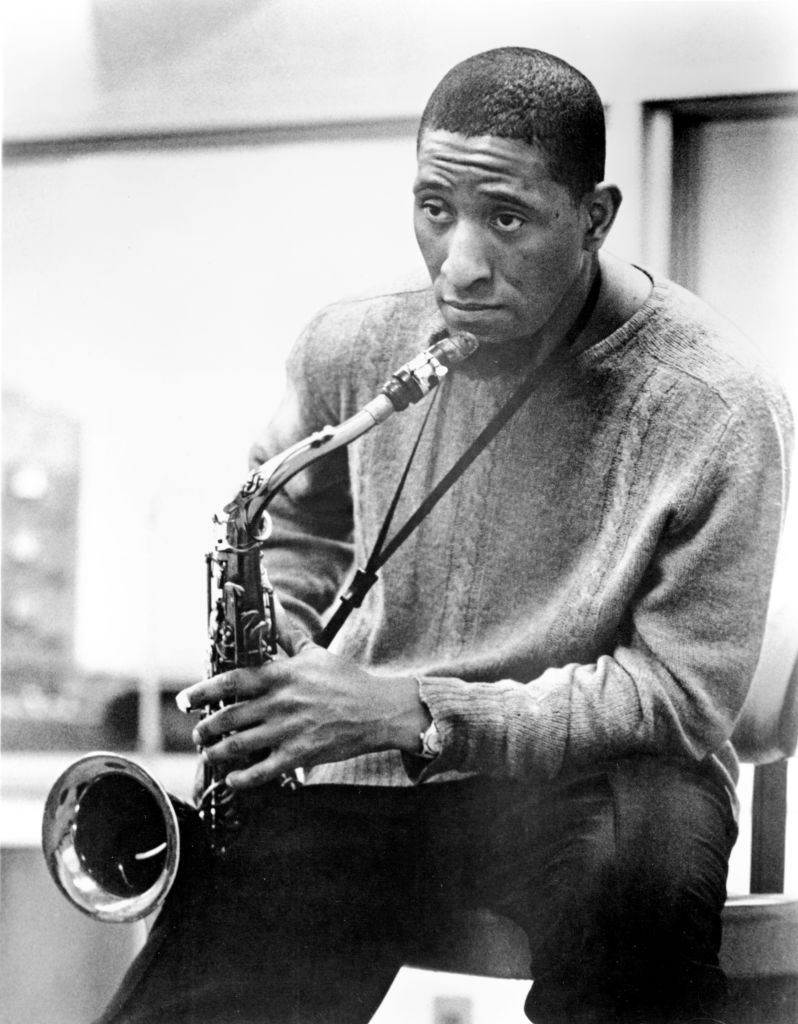
The jazz world mourns the loss of Sonny Rollins, a true saxophone colossus and one of the most pivotal figures in the history of the genre. Rollins passed away peacefully at his home in Woodstock, New York, on Monday, leaving behind a monumental legacy. He was 95 years old.
Born Walter Theodore Rollins in Harlem to parents from the Virgin Islands, his musical journey began early, studying both art and saxophone as a child. By 1948, upon graduating high school, he was already immersed in the professional world of tenor sax. His early career saw him playing with singer Babs Gonzales.
His path wasn't without obstacles. A 10-month stint on Rikers Island in 1950, following an arrest for armed robbery, temporarily halted his ascent. The early '50s also saw him battling heroin addiction. Yet, even amidst these challenges, Rollins recorded with giants such as Charlie Parker and Thelonious Monk. His debut album, Sonny Rollins With The Modern Jazz Quartet, arrived in 1953, followed by contributions to Miles Davis' 1954 album, Miles Davis With Sonny Rollins, which included several compositions that would become jazz standards.
By the mid-'50s, Rollins overcame his heroin addiction through experimental methadone therapy. This period marked a creative peak, with the release of his seminal 1956 album, Saxophone Colossus, featuring the iconic track "St. Thomas," a fusion of jazz and calypso. That same year, he recorded Tenor Madness, featuring a legendary duet with John Coltrane. His distinct improvisational style became a subject of academic study. In 1958, Rollins was immortalized in Art Kane's A Great Day In Harlem photograph, and was its last surviving member.
In 1959, Rollins took a two-year hiatus, seeking to refine his skills. During this time, he famously practiced on the Williamsburg Bridge to avoid disturbing his neighbors. Though a proposal to rename the bridge in his honor was later considered by the New York City Council, it was ultimately rejected. Rollins returned in 1962 with The Bridge, a classic album released on RCA. He continued to collaborate with notable musicians like Don Cherry and Herbie Hancock, and even recorded an album with his idol, Coleman Hawkins, and composed the score for the 1966 film Alfie.
Another break followed in 1969, with Rollins spending time in an ashram in India, studying yoga and meditation. Upon his return, he received a Guggenheim Fellowship and began exploring jazz-rock fusion, a move that drew mixed reactions from critics. He performed at the White House for Jimmy Carter, played unaccompanied on The Tonight Show, and even contributed uncredited saxophone parts to the Rolling Stones' 1981 album, Tattoo You.
Rollins remained active in touring and recording well into the 21st century. The events of 9/11, which forced him to evacuate his apartment near the World Trade Center, deeply affected him, leading to his move out of NYC. In 2005, he released the critically acclaimed Without A Song: The 9/11 Concert. His final studio album, Sonny, Please, was released in 2006. He established his own label, Doxy, to release live recordings. In 2010, he was awarded the National Medal Of Arts, and he retired from performing in 2014.
Here are some of Sonny Rollins' notable works:
Related Articles
Listen to Sonny Rollins on Foxsoundi. Click here to listen!
Comments (0)
Login to comment